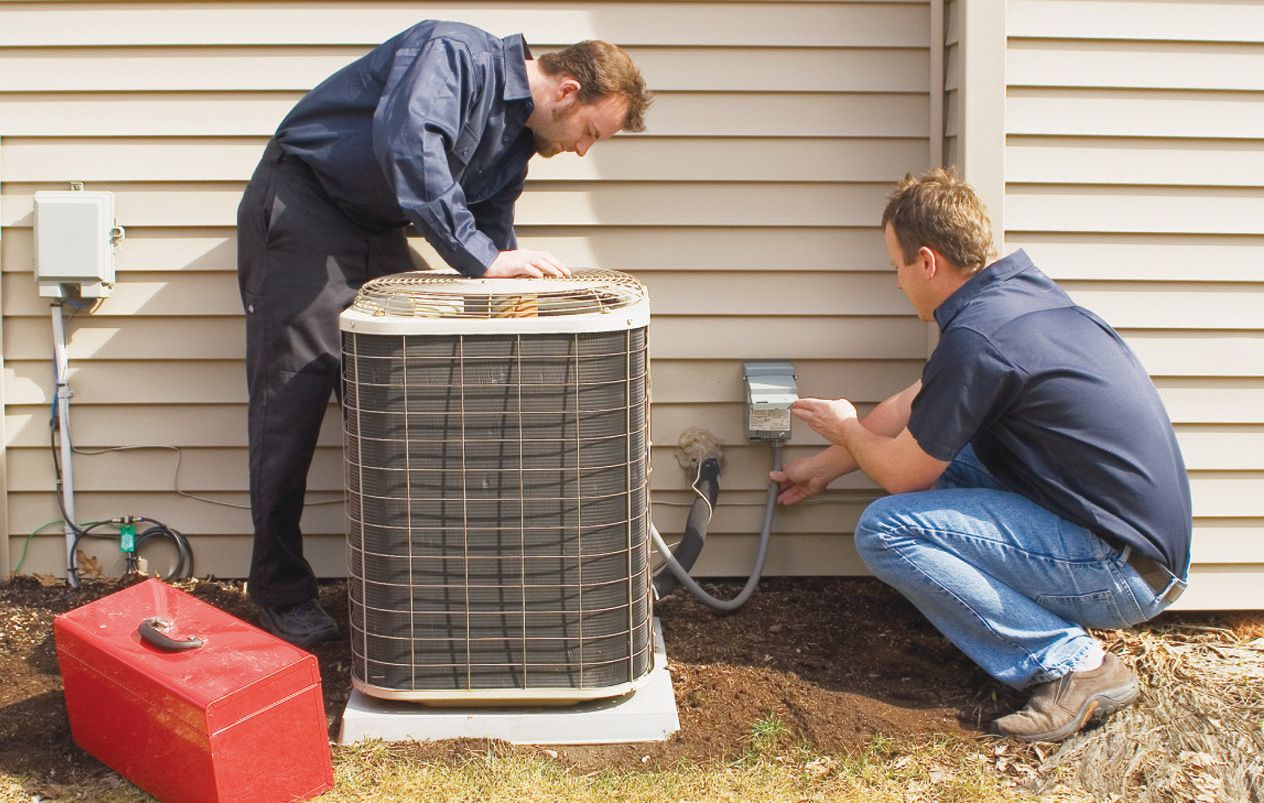
Indoor air quality is increasingly recognized as a critical factor for overall well-being, affecting both health and comfort in residential and commercial settings alike. Poor air quality can lead to a variety of health issues ranging from minor irritations to severe respiratory problems, emphasizing the need for effective air management solutions. Modern heating, ventilation, and air conditioning systems are at the heart of maintaining good indoor environments. These systems regulate temperature and airflow while playing a pivotal role in filtering pollutants and ensuring proper fresh air circulation. Professional HVAC companies are uniquely positioned to address these complex indoor environment challenges by offering specialized expertise and technological solutions.
By partnering with qualified technical specialists, property owners can ensure their climate control systems are engineered to target specific biological and chemical contaminants. Advanced diagnostic processes allow technicians to pinpoint exact vulnerabilities within a building, such as improper pressure balances or hidden particulate accumulation. Through systematic evaluations, these industry experts can recommend tailored hardware enhancements that transform standard climate equipment into high-efficiency air purification networks.
Understanding System Operations to Maximize Performance
Heating and cooling setups are integral to creating and maintaining a comfortable indoor environment by controlling temperature and humidity levels. These systems consist of multiple interconnected components that work together to heat, cool, and ventilate spaces effectively. Understanding these mechanics involves recognizing how all parts, including air conditioners, furnaces, and ventilation devices, contribute to air quality. By ensuring that systems are properly designed and installed, property owners can maximize their effectiveness in delivering clean air. Regular maintenance and professional inspections are essential, as they help prevent unexpected mechanical failures and ensure that units operate at peak performance.
The science behind climate control goes far beyond basic temperature regulation, involving complex mechanisms that directly affect indoor air chemistry. For instance, advanced air filtration components trap dust, pollen, and microscopic airborne particles, significantly reducing the concentration of everyday contaminants. Additionally, these configurations must accommodate specific airflow requirements to maximize air exchange rates and freshen indoor spaces efficiently. These technical elements can make a significant difference in indoor environments, particularly in settings with high occupancy rates or where outdoor air quality is compromised. The seamless integration of ventilation solutions further enhances indoor conditions by ensuring that stagnant air is continuously replaced with fresh outdoor air.
Integrating Technological Innovations for Air Quality
Another critical factor in modern climate control functionality is the integration of evolving technologies aimed at systematically improving indoor environments. Modern systems increasingly incorporate smart technology, allowing for precise real-time control and continuous environmental monitoring. This impacts not just overall cleanliness but also energy efficiency, as systems can adjust operational modes based on real-time data inputs. Companies at the forefront of HVAC innovations are developing units that communicate with air quality sensors, automating adjustments to maintain optimal air conditions. As HVAC units evolve and systems develop further, the replacement rate, which is around 14.3 million units replaced annually, according to WebX, reflects the commitment to advancing IAQ.
Beyond smart monitoring, modern equipment focuses on incorporating specialized purifiers and using UV light technology to neutralize bacteria, viruses, and mold spores. These technological advancements have become increasingly important in commercial and business environments where strict health standards are enforced. Industry experts are continually researching and developing such technologies to enhance their overall operational effectiveness and long-term reliability. Crucially, these new systems are designed to work seamlessly within existing ductwork infrastructures, thereby enhancing purification capabilities without requiring complete system overhauls. The ongoing presence of such technical advancements underscores the critical role that modern climate control units play in maintaining high health standards over time.
Balancing Moisture and Filtration Systems
Central to the role of climate control systems in managing indoor environments are the components specifically engineered to filter and purify circulated air. Mechanical filters are absolutely vital, capturing dust, pet dander, and other fine particulates that degrade indoor freshness. Different filter designs, such as high-efficiency particulate air units, are engineered to address specific micro-pollutants and can be installed in both residential and commercial structures. Ventilation fans and sealed duct networks also play a significant role, ensuring that air circulates adequately and that stale air is systematically expelled. Routine maintenance of these specific components is essential to ensure they perform effectively over extended periods of operation.
Beyond standard particle filtration, comprehensive systems incorporate industrial humidifiers and dehumidifiers to carefully manage indoor moisture levels, actively preventing mold growth and associated health risks. Balancing relative humidity is essential, as excessive moisture can lead to structural damage and increased levels of harmful microbes. Conversely, excessively dry air can cause skin irritation and respiratory discomfort for building occupants. This precise balance is achieved through integrated control modules and sensors that continuously adjust system operations to maintain a balanced indoor atmosphere. Specialist HVAC companies deploy these advanced moisture-management technologies to maximize the efficiency and health benefits of the entire infrastructure.
Engineering Solutions for Environmental Challenges
Indoor climate control is deeply rooted in physical engineering principles that manipulate air conditions to create healthy, habitable indoor spaces. Central to this technology are thermodynamics and fluid dynamics, which govern how thermal energy and airflow move within a complex structure. Recent technological advancements have allowed these systems to include features like multi-stage variable speed motors and adaptive sensors that continuously optimize performance. By utilizing these cutting-edge engineering techniques, systems can maintain precise microclimates that support human health while ensuring maximum energy conservation. This science-based approach ensures that HVAC companies can provide tailored solutions that address the specific structural needs of different facilities.
With a growing emphasis on sustainability, system design increasingly incorporates eco-friendly technologies to lower operational impacts. Innovations are driven by the absolute need to reduce carbon footprints, leading to the development of systems that utilize low-GWP refrigerants and renewable energy inputs. Utilizing solar-assisted configurations, for example, cuts overall electricity consumption while ensuring that heating and cooling processes align with sustainable building practices. Advanced materials are another major frontier, offering superior thermal insulation properties that prevent energy loss in ductwork. HVAC companies actively incorporate these material innovations to ensure that their installations perform effectively while meeting modern ecological standards.
Monitoring Environmental Data for Long-Term Health
The incorporation of dedicated environmental sensors into ventilation frameworks represents a major leap forward in the ability to monitor and control indoor atmospheres. These sensors provide real-time data on a wide range of metrics, including volatile organic compounds, particulate matter, humidity, and carbon dioxide levels. By continuously tracking these factors, integrated systems can automatically adjust fan speeds and fresh air intakes to maintain optimal conditions. The use of continuous monitoring ensures that any sudden degradation in environmental parameters is instantly identified and corrected. This proactive approach to environmental management is a core service provided by forward-thinking HVAC companies.
Deploying sensor technology within building infrastructure also facilitates broader data collection and long-term analytics efforts. This gathered performance data can be harnessed to refine system schedules, predict component wear, and optimize energy consumption. Such data is crucial for understanding how seasonal changes and occupant habits affect indoor conditions over time. Furthermore, integrating analytics into daily operations reveals key insights into airflow bottlenecks, helping technicians implement precise adjustments. By embracing these data-driven strategies, HVAC companies are pioneering new methods to elevate indoor standards while simultaneously lowering long-term operating costs.
Investing in high-performance equipment and routine professional maintenance from certified
HVAC companies is the most effective way to safeguard indoor environments against harmful pollutants and seasonal air quality challenges. Specialized technicians possess the diagnostic tools, industry training, and advanced technologies necessary to turn complex climate control systems into reliable purification networks. Whether upgrading an outdated configuration or installing modern sensor-driven units, expert guidance ensures long-term operational success and healthier indoor spaces. Contact Davis HVAC, LLC today to schedule a comprehensive indoor air quality assessment and discover how professional climate solutions can transform your environment.